


Spring is a wonderful time: the streets are filled with color, the heat begins, the days are longer, etc. However, for our pets it is not as good as it seems, since certain dangers that can affect their health. During the season, these species become threats to our dogs. In this article, we'll explain how you can protect your greyhound from the processionary caterpillars and ticks.
If you have pets, you've probably heard of them, but if you haven't yet, let me explain. Pine processionary caterpillars are caterpillars that primarily live in pine trees. But, during the spring, these caterpillars come down from the trees in search of food, and Their stinging hairs can cause severe allergic reactions and damage to your greyhound's mouth, tongue, and throat if they come into contact. In the most severe case, it can cause death. extremely dangerous.
On the other hand, ticks are parasites that feed on the blood of animals. Although they are best known for carrying serious diseases such as Lyme disease and babesiosis, they can also cause local infections and even paralysis if not removed promptly.
As we have already mentioned, the processionary caterpillars are found in the pines, and it is during the spring when the caterpillars emerge from the nests. to move on the ground or by the branches of trees.
Visible nests: Processionary caterpillar nests can be seen on pine branches, often in the form of silk pouches that appear to wrap around the branches.
Caterpillars on the ground: Processionary caterpillars usually walk in a line, looking for a suitable place to transform into butterflies. If you see a line of caterpillars on the ground, it's a clear sign that there are processionary caterpillars in the area.
Ticks are present year-round, but are most active in spring and summer, so it's important to take preventative measures to protect your greyhound. These parasites can transmit various diseases, so it's essential to keep them protected.
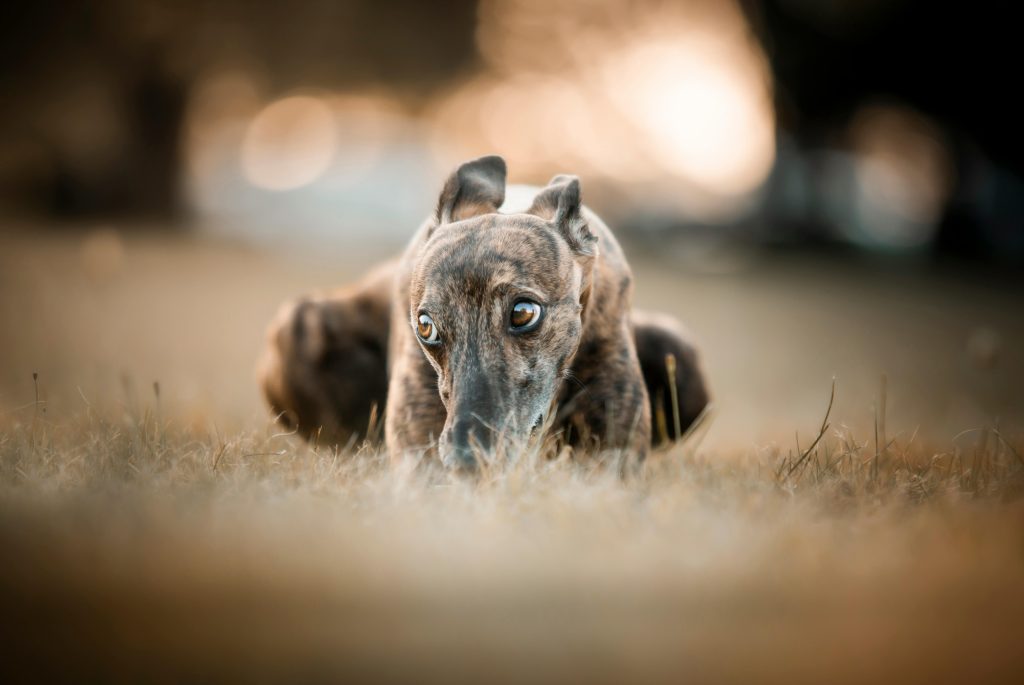
Tick-specific collars are effective at keeping parasites away from your greyhound for several weeks. Make sure you choose a quality collar, such as those that contain permethrin or flumethrin, active ingredients that repel ticks.
Pipettes are a good option for long-term control. They are applied in the greyhound skin, usually on the nape of the neck, and they release a repellent substance continuously throughout the month. If you don't know which one to choose, it's a good idea to ask your veterinarian.
These sprays are more cumbersome, but They are very useful if your greyhound is exposed to environments with many ticks.Spray the product directly onto your greyhound's coat before each walk to ensure it's protected.
This should always be done after each walk, especially if they've been in wooded areas or areas with tall grass. Check your greyhound's coat for any ticks attached. Look especially in areas like the ears, tail, and between the legs; they're usually there.
If you find a tick attached to your greyhound, follow these steps to safely remove it:
If you live in a house with a garden, it's important to keep it well-maintained to protect your greyhound from processionary caterpillars and ticks. Also, if you have pine trees, it's essential to prune them and check them constantly in case there is a nest of processionary caterpillars. Also, the grass should be cut regularly to prevent ticks from taking refuge in tall grass areas. It is essential to maintain a safe home for your greyhound.
If you have any questions or notice any unusual symptoms in your greyhound, do not hesitate to consult your veterinarian.prevention is key to keep your greyhound protected and free from dangerous parasites.